Tuesday, November 10, 2026

It Was a Warm Autumn Day in the Park

On one of the last days of autumn, I took a stroll through my favorite park. Autumn had painted the park’s pathways in shades of orange and gold. There were so many fallen leaves! The squirrels must have been pleased—their winter food supply might have even grown, thanks to all the acorns.


The water in the ponds had turned dark; dry leaves floated on the surface, and the dark trunks of the trees were beautifully reflected in the water. While I was taking photographs, a magnificent swan decided to snack on some grass that was still green along the shore.


On another pond, there was a small shelter and a feeder for the birds. A group of geese—very dignified and serious-looking creatures—were having a meal there. I was hesitant to get any closer, but a park attendant assured me that the geese were quite calm.


There weren’t many people strolling in the park—mostly pensioners and mothers with children, since it was a weekday. From a small bridge, they were watching the ducks and swans.


The first snow had already fallen, but it quickly melted away. November has arrived; time flies, and soon northern winds will bury the fallen leaves under snow, the ponds will freeze over, and the short, dark days will set in. So, let us look back on the vibrant autumn and look forward to the coming spring.


Wednesday, October 28, 2026

"Animals From My Album" by Jan Sokolovsky

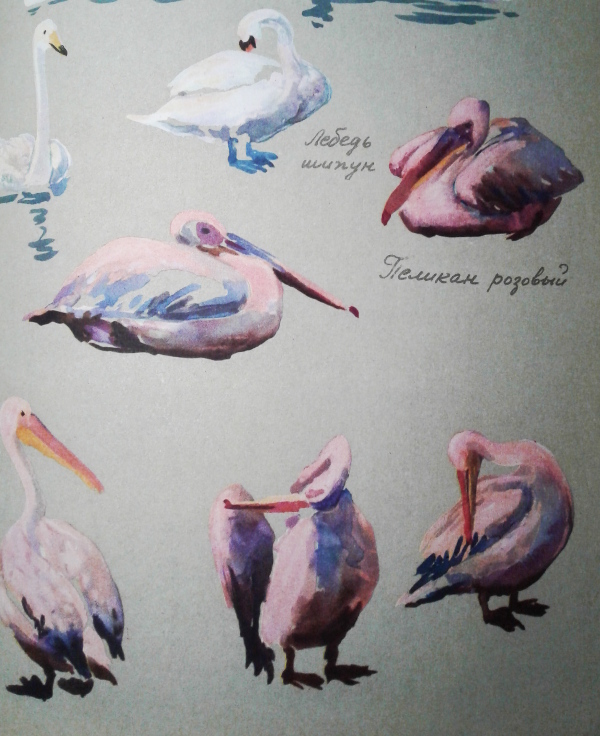
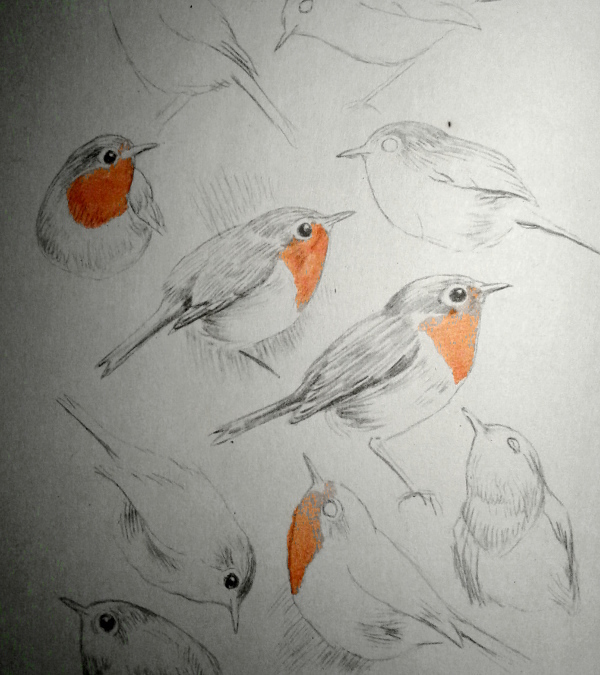
The book *Animals from My Album* by Jan Sokołowski has long held a place on my bookshelf. Today, friends, I would like to introduce you to the works of this talented artist.


In response to the question "Why do I draw animals?", he writes: "Drawing animals is like hunting: there are days when fortune smiles and the hunt is successful, and there are moments when strenuous efforts go to waste. I believe that photography cannot replace a drawing or a painting. Photography and drawing are different things that cannot be compared."


He goes on to write: "The mobility of animals, their constantly changing facial expressions, and features that are entirely distinct for each species make it impossible to find a more difficult subject."


"Animals never seek to make the artist's task easier, even though some observers imagine that a beast... might take pride in its beauty and willingly pose. That a squirrel is restless comes as no surprise to anyone, but I myself would never have believed an elephant could be so fidgety had I not had the chance to draw one."


Sokolovsky recounts: "Among the many acquaintances and friends I have made while drawing animals at the zoo, I count children aged seven to twelve. They sit down beside me and... do their best to help. The children greet every new drawing with loud approval and urge me to keep working."


I showed illustrations from the book, accompanied by quotes from the artist Jan Sokolovsky about his work. It would be hard to describe the creative process any better. His pencil and painted illustrations beautifully capture the personalities and behavioral traits of the animals and birds. 

I hope this makes you want to look at the album yourself—or even visit the zoo, if it happens to be open right now.


Sunday, October 11, 2026

Virginia Creeper


Virginia creeper (*Parthenocissus quinquefolia*) is an indispensable plant for vertical landscaping! It is a large climbing vine reaching up to 15 meters in length. Young shoots are reddish, later turning dark green, and feature tendrils. The leaves are palmately compound and oblong, with pointed tips.
 
 
It blooms in the first half of July. The fruit ripens in mid-to-late September. The flowers are greenish. The fruit is a dark blue berry that is not particularly palatable.
 
In my garden, I grow Virginia creeper in several spots, including near a trellis and a pergola. It anchors itself beautifully using its tendrils, twining around the upright posts and spreading onto the horizontal sections of the pergola, creating shade on hot days.
 
 
It is highly winter-hardy; growth begins in late April and continues until mid-October. It thrives in any soil type and tolerates a wide range of conditions. I have never noticed any leaf diseases, nor does it suffer damage from insects or fungal infections. It is long-lived—my neighbors have had a plant in the same spot for 30 years—and it withstands transplanting well; summer cuttings take root easily.


I prune it in the spring, removing dead shoots and excess branches. When I see it growing beyond its support or the designated area of ​​the garden, I cut the shoots all the way back to the roots.
Do you grow this plant in your garden, or does it grow near your home? Do you like it? 

Monday, September 14, 2026

Has summer really ended?

Has summer really ended already? It certainly seems so. The vibrant flowers have finished blooming; the dahlias, delphiniums, lilies, and roses are gone. Now, the flowerbeds are adorned only by sedums with their tiny, bright red blossoms.


Young fruits have appeared on the raised beds, nestled among the large zucchini leaves. They are beautiful—striped, dark green, and some yellow. I love young zucchini because they have no seeds. I usually fry them or stew them with sour cream; it makes for an excellent dish. 


The vegetable harvest began in July and August. Green peas were the first to ripen; their pods had grown large. I harvest the green peas to make a side dish and freeze some of them for the winter. 


In September, the last of the phlox are still in bloom. I enjoy their vibrant flowers and their fragrance. It is a pity, though, that the petals fall off quickly when they are in a bouquet.


The peppers began to ripen in late August. The weather has turned cooler, especially at night, so I decided to harvest all the peppers and let them finish ripening indoors. They are currently sitting on a pantry shelf, gradually turning red. 


As it happened, the tomatoes went without watering for nearly two weeks. Despite this, they ripened beautifully. They are sweet and juicy; I plan to use some of them to make tomato sauce. I blend them, boil the mixture, add spices, and then pour the sauce into jars.  


The white hydrangea blossoms turned pink in late August and early September. 

Autumn has arrived—another beautiful season. 
 
Friends, I will try to visit all your blogs as soon as possible. All the best.
 

Saturday, July 11, 2026

Veggetables in the Garden


July has arrived—the warmest, even hottest, month here in the north. Plants grow and bloom profusely this month, especially vegetables. I try to grow a few simple vegetables to eat in the summer and preserve them for the winter. It's so nice to open a container of tomatoes, peppers, or beans you grew yourself when there's snow outside.

The zucchini has sprouted large green leaves. They're already blooming, and soon I'll be harvesting small, delicious zucchinis.
In another raised bed, beans are growing. They're also blooming, and it looks like there will be a good bean harvest. 


In the northern part of the garden are several raised vegetable beds. Zucchini, green sweet peas, and sorrel grow here.

In the greenhouse, peppers grow well. This is a sweet pepper; I don't plant hot peppers. 


I always plant dill next to tomatoes. I don't know why, but they grow well together.

This year's tomatoes were very weak when I planted them in the greenhouse. Over time, they have strengthened, and green tomatoes are already visible. I hope to try my tomatoes at the end of July.


Flowers and berry bushes grow in the northern and southern parts of the garden.


Young serviceberry trees are popular with birds, who check the berries every morning to see if they're ripe.
 
This is the trunk of an actinidia tree; it's already 15 years old. The actinidia berries are sweet but fall quickly. 


Gooseberries ripen quickly. While they're light green and hard to see on the bush, in a month they'll be red and sweet.


Wishing you a warm, fruitful, and delicious summer!